Brief Introduction to Google PPC Campaigns (Pay-Per-Click)
Wed, 04 November 2026
Inspirational journeys
Follow the stories of academics and their research expeditions
Even right now, Google SEO marketing stands as one of the best tools when it comes to digital marketing. Even though marketing heavily depends on social media, long-form content, and advertisements. The actual conversion takes place on the website of any business that runs online. SEO marketing is required to attract the right people and bring in conversions. It will give you visibility within the Google search engine.
With SEO, you can build up a strong online presence by knowing how Google works; you can create better marketing strategies. Whether you are managing your business’ website or several blogs, knowing how Google SEO marketing works will benefit you. In this guide, we will show you how Google SEO marketing works. Along with which tactics should be followed, we cover nearly the entire concept of Google SEO marketing. Here you can also see the best optimization strategy to help your business grow in the long term.
Google SEO marketing involves optimizing your website to appear in the organic search results on Google by providing relevant content, optimizing your site, and using other Google SEO marketing methods. SEO (Search Engine Optimization) helps search engines find, understand, and assess your content so that your relevant web pages will show up in the search results.
When someone searches for something that is closely related to whatever business you might be running, you expect your website to show up at the top of the search results. This can be done by making sure that your Google SEO marketing practices optimize the website to show up at the top of the results by practicing and applying the methods to your website.
Google Search uses a set of processes to help the blog be visible and shows it as relevant and helpful.
This is where Google will use various automated processes (called crawlers) to find web pages. Google may find your page via links, an XML sitemap, or URLs they already know, but this doesn’t mean they’ll immediately crawl that URL. To help with this, you want to have a logical website structure and avoid unintentionally blocking important pages through robots.txt or other technical restrictions.
Once Google has crawled your page, it’ll look at the page and any other information to see if it should add it to its search engine index. An index is a large database containing information on all the pages it’s found. This information will help them by showing relevant search results.
Not all pages will be indexed; pages with duplicate content, technical issues, and low-value content can all impact your chances of being added to the SERP. You can use Google Search Console to look up information related to your website’s indexing status.
When someone makes a search on Google, they’ll use various systems to find and rank your results. Here, the search engine will look at many factors to make sure that the best and most relevant information is shown. They may look at the relevance and quality first, then usability, along with proper context and the nature of the search.
If someone searches ‘how to improve website speed,' they’re likely looking for a helpful guide rather than a sales page. If your page answers their question clearly, it may be more suitable for this search than a page that doesn’t mention the relevant content.
It’s important to note that while doing Google SEO marketing won’t guarantee you a specific ranking, your results can change depending on various factors such as content, competition, search intent, and Google’s systems.
Search engine optimization in Google gets your website to reach the right audience by using paid and organic methods of SEO. You can create optimized content for the website to get traffic by providing useful content.
You will increase traffic to your website by ranking for relevant keywords. For example, a company selling accounting software may write a guide on how to invoice small businesses. If this page ranks for relevant keywords, then people will see it in search results and may become a customer. This increases traffic and also helps attract the right traffic.
If your site ranks in searches for relevant keywords, then you will be seen by potential customers. Even if they don’t click through to your website, by appearing regularly, they will become familiar with your brand. Consistently appearing in your target keywords will increase brand awareness.
Google SEO marketing can help attract traffic at different points of the sales funnel. If someone is searching for what project management software is, then they may be researching.
Conversions happen when people turn from researching to actually buying, if someone wants to buy project management software for agencies. They first do their research, and then if your content is valuable and convinces them to purchase, then it will be another conversion for your business.
People will often judge your business based on your content, reputation, and quality of information. Having detailed information, accurate information, clear business info, and relevant evidence will help you build credibility. However, having high rankings won’t automatically mean you are credible. Credibility will automatically come from real knowledge with accurate information and good E-E-A-T practices.
While you will get traffic from paid marketing, by paying for it, organic SEO can provide traffic once your page has gained some visibility. However, there is no guarantee you will stay ranked.
Google SEO marketing involves continuous effort in creating content while maintaining your site and analyzing performance. Over the long term, you will gain value for your website if it continues to provide what users want.
By doing proper research and curating the content based on how and what keywords are performing. Eventually, it will give you an idea of what the audience is looking for, and you can give solutions according to it. This can help you create your own content strategy.
You don’t want to target all of these high-volume keywords. You’ll need to ensure that you’re targeting the right ones, which are relevant to your audience and your site.
For example, if you run an email marketing software service, you may find that your keywords could relate to:
These keywords all have different search intents. By undertaking keyword research, you can identify these and develop content to answer the correct questions.
Search intent is the reason behind a person searching a particular query.
|
Search Intent |
What the user wants |
Example keyword |
Suitable content |
|
informational |
Learn about the topic. |
What is Google Search Engine Marketing? |
Educational Blog |
|
navigational |
Find a specific website or a page. |
Google Search Console Login |
Relevant destination page |
|
Commercial |
Research or compare options available. |
Best Marketing Tools |
Comparison Articles and Blogs |
|
Transactional |
Complete an action. |
Buy SEO software. |
Product or pricing page |
Doing on-page SEO is optimizing the website and the pages to make it visible on the SERP.
Off-page SEO is a practice that takes place outside of the website to optimize it for SEO.
Here are the off-page SEO practices:
Technical SEO makes sure that your site can be read by search engines. Commonly, technical SEO will involve a few things that consist of:
There are some tools that will help you do research, assess performance, and figure out issues in ranking.
Here are the top priority tools when it comes to SEO:
This is one of the most useful tools to understand how your website is performing in Google Search.
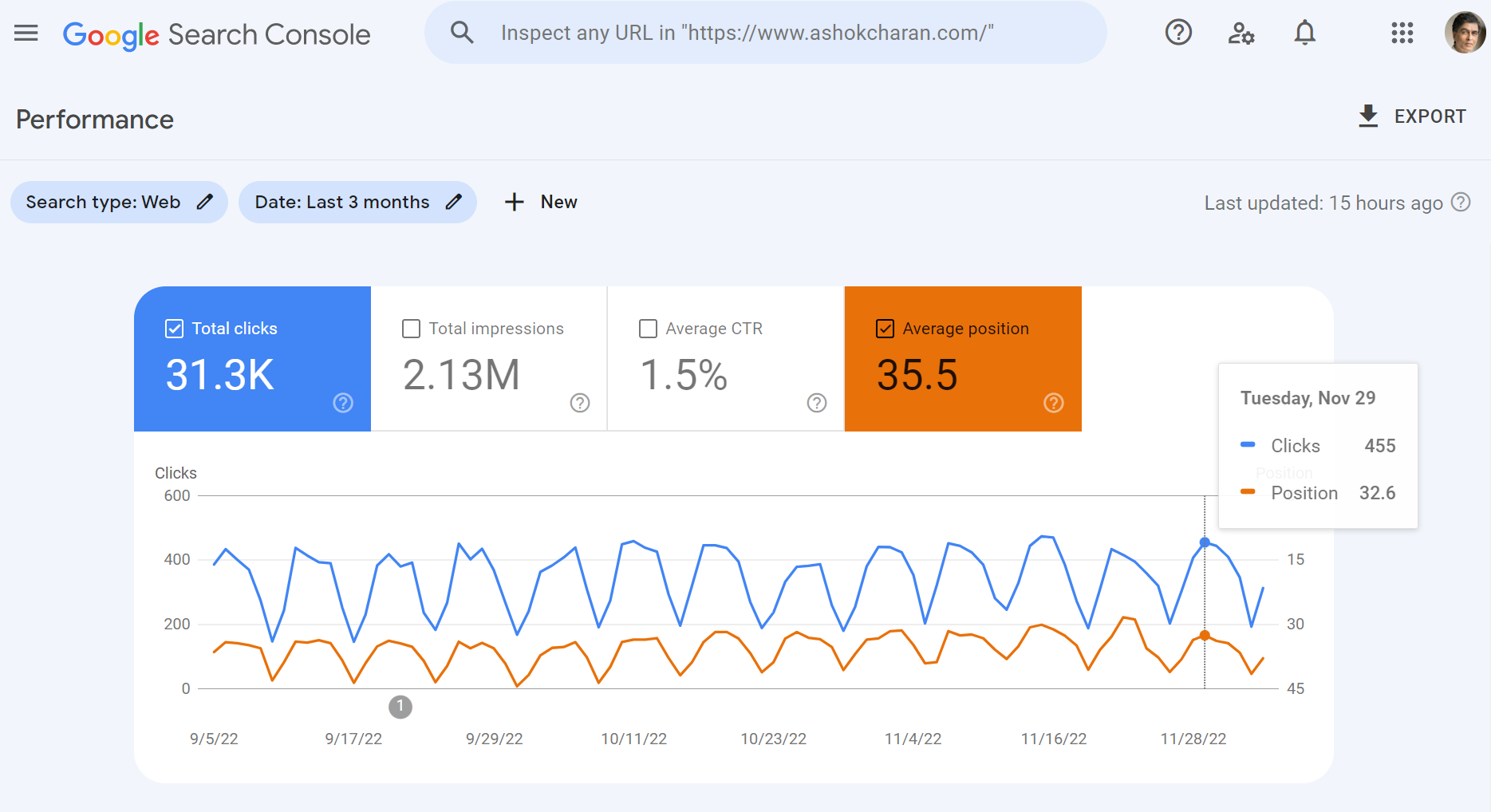
It allows you to see how many impressions, clicks, and click-through rates you are receiving, plus the average positions of queries and pages. It will also give you information about how your website is indexed and any technical and search issues. Best for tracking organic performance and determining which pages require attention.
GA4 tools help you keep updated on what people are doing on your website. It lets you know how engagement works and how much conversion is taking place. This will help you to understand if your organic traffic is contributing to your business goals.
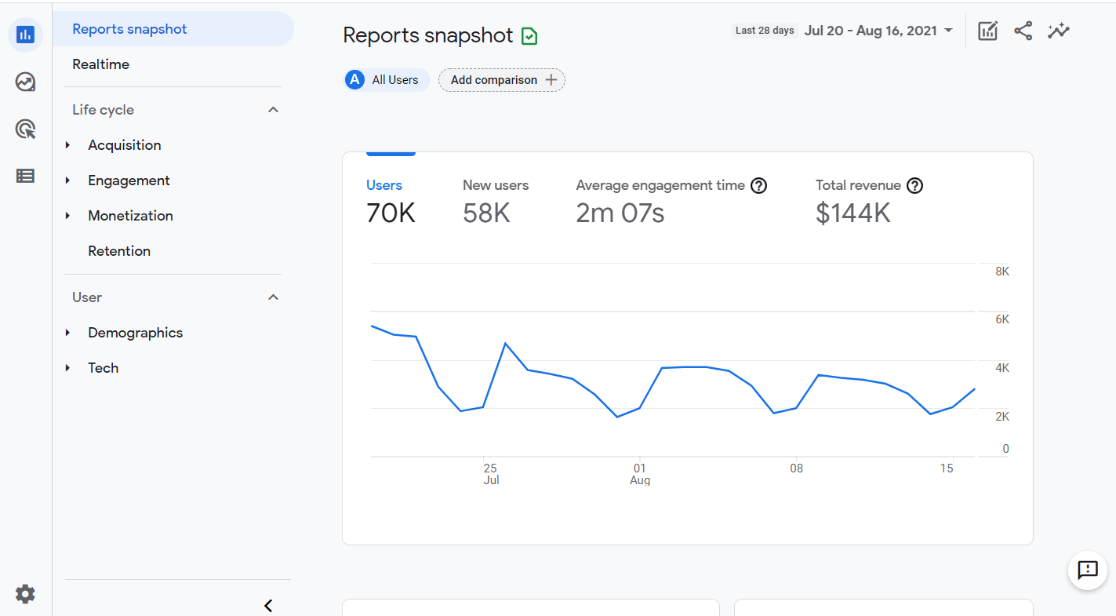
For example, if you have a blog post that receives lots of organic traffic but only a few leads, you can use analytics to understand what users are doing on the page and if it’s helping with your conversion journey. Prioritize this for measuring engagement and business outcomes on the website.
One of the best tools to find keywords to plan your Google Ads. It provides keyword ideas and an estimate of search volume. This will help you to find related keywords and understand how competitive they are for Google SEO advertising.
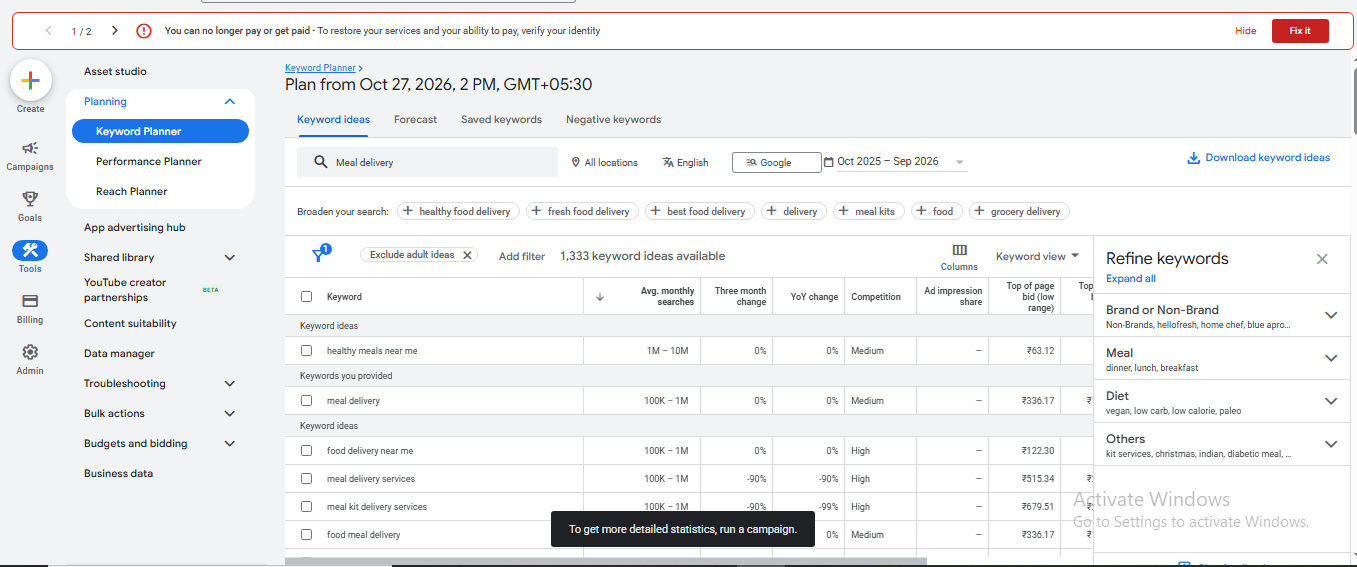
However, this should not be used as a standalone source for understanding how difficult they will be for organic SEO. Use alongside analyzing search results and other research methods.
Trends help you to understand how popular keywords are over time and by location. You can use this as a tool to understand any trends and compare topics.
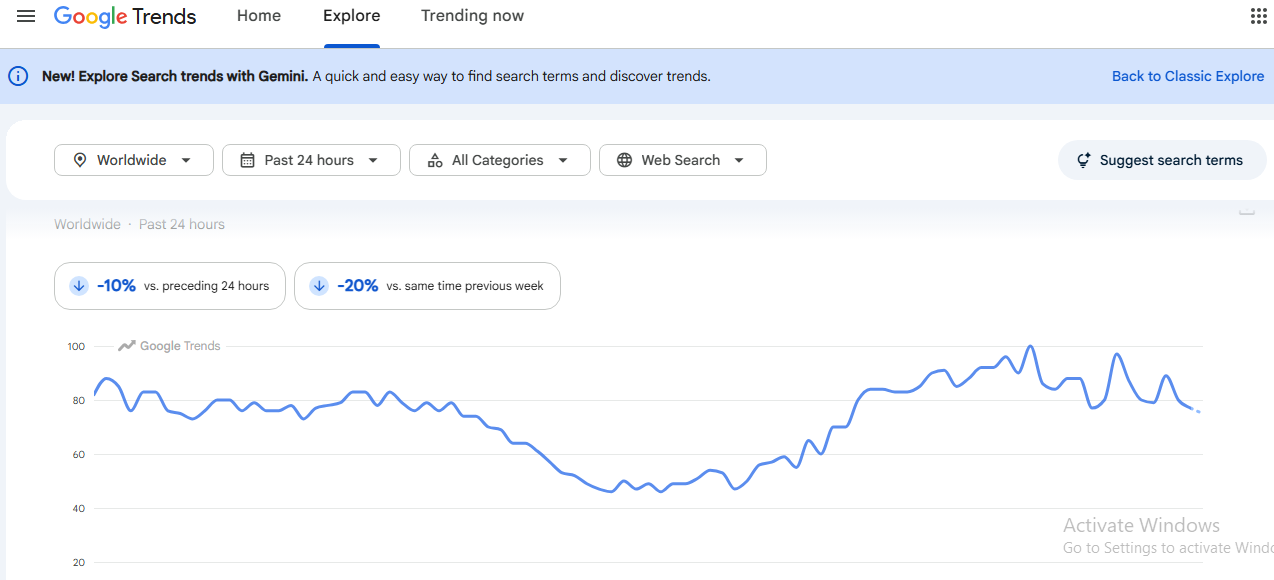
Finding what's trending and giving content according to that brings better traffic and also credibility.
This tool will help you to understand the performance of your pages and provide recommendations for improving the speed of your pages.
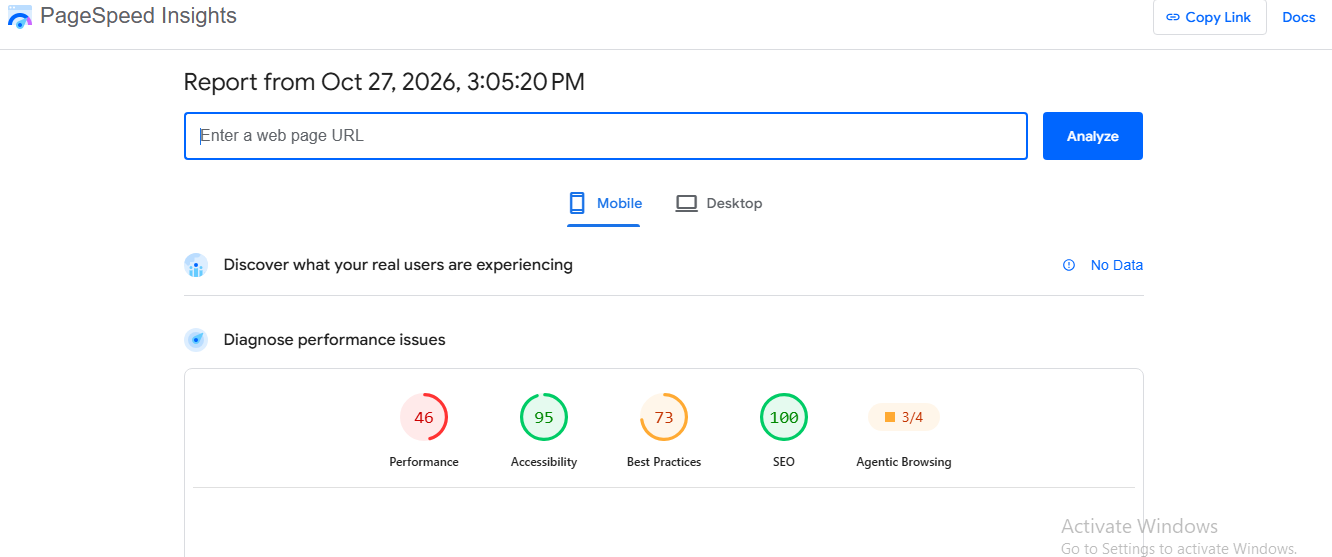
It can provide you with lab data and real-world data from users. Which helps in seeing how well your pages are performing and identifying areas to improve.
Google SEO marketing experts will make sure a business improves its organic search visibility. Search engine marketing professionals often identify issues and make sure the performance is good.
Common tasks include:
A Google marketing SEO expert will take care of auditing what issues there are on the website. This can be anything from crawling and indexing to overall search performance. Then they will figure out and fix the issues immediately.
SEO professionals research search demand, analyze user intent, and identify relevant topics for the target audience to use this information to develop Google content marketing plans that align with business objectives.
Website optimization on Google pages and creating new content are taken care of by SEO professionals; they recommend good headings and valuable content to deliver.
They have strong knowledge of handling content delivery and keep it aligned with user intent. Content optimization involves improving existing pages and guiding the creation of new content.
Google SEO marketing professionals also do review crawlability and indexability and optimize mobile performance and the site architecture. SEO professionals frequently work with developers and website administrators to resolve technical issues.
They also monitor search performance by monitoring clicks and CTR. They fix issues that arise after monitoring search performance; usually there might be any issues regarding page performance, conversions, and leads, and even some technical issues.
Overall, for Google SEO marketing, an SEO expert and their roles and responsibilities should be defined and done precisely.
Good SEO marketing practices will get you closer to achieving the desired results. Below are a few tips that will help boost your Google SEO marketing efforts.
Provide content that answers questions and provides useful information, and don’t write lots of similar articles just trying to target more keywords. If any content keywords are duplicated, it will be detected as duplicate content and affect the entire SEO of the website.
Before optimizing any pages, understand what the user is looking to find. If the user is performing an informative search, then you should provide an educational article. If they are performing a commercial search, then maybe write a comparison page. This allows you to tailor your content to meet their needs.
Include your main keyword in the appropriate places, such as your title and introduction, and throughout the page naturally. Also include secondary keywords to answer related questions. If you are writing about a particular keyword, talking about that topic and including related keywords matters a lot. Avoid keyword stuffing, repeating phrases, and unnecessary variations, which can cause issues with readability.
Link to other relevant pages using meaningful anchor text. For example, if you are writing about technical SEO, you could link to a website speed guide. If you are writing about keyword research, you could link to a content strategy guide. This will help users to find related information.
Regularly audit your website to ensure there aren’t any broken links, crawlability issues, redirects, or duplicate URLs. Using Google Search Console and the correct testing tools will help you spot any issues. Focus on fixing the issues that would affect important pages.
Provide useful resources so other websites have a reason to link to you. Writing original research, detailed guides, relevant data, and useful tools will provide backlink opportunities.
Don’t use any manipulative tactics to build backlinks, as this goes against Google's spam policies and will affect the website’s SEO.
Google SEO marketing brings organic traffic, which has the potential to turn people into sales. Making one business’s website into something relevant and useful needs consistent effort and monitoring. A successful Google SEO marketing strategy requires proper planning and analysis.
Whether you manage a small business or a large content platform, having a consistent strategy and plan for SEO Google marketing is important. It's also something that should be prioritized to build a stronger presence in the Google search engine.
1. What is search engine optimization?
Search engine optimization is the practice of increasing website traffic and ranking in search engines like Google.
2. How effective is Google SEO marketing?
Google SEO marketing is highly effective for bringing sustainable and even long-term organic traffic to the business. It creates credibility for the business, more visibility, and even converts people into sales.
3. What is Google's SEO marketing strategy?
SEO marketing strategy revolves around keeping it people-centric and giving helpful content that aligns with the user rather than trying to align with algorithms to rank.
4. How important is SEO to a company’s marketing?
SEO acts as one of the vital strategies for a company when it comes to marketing. It always drives real people and improves long-term growth.
5. How do I do Google SEO for my business?
Optimizing your business in Google Business Profile, which is also known as Google My Business, helps your business to get ranked in all search engines and even in Google Maps.

Wed, 04 November 2026
Tue, 03 November 2026

Mon, 02 November 2026
Fri, 30 October 2026
Thu, 29 October 2026

Wed, 28 October 2026

Fri, 23 October 2026
Wed, 19 August 2026

Thu, 27 August 2026



© 2026 JarvisLearn Inc. - All Rights Reserved.