Brief Introduction to Google PPC Campaigns (Pay-Per-Click)
Wed, 04 November 2026
Inspirational journeys
Follow the stories of academics and their research expeditions
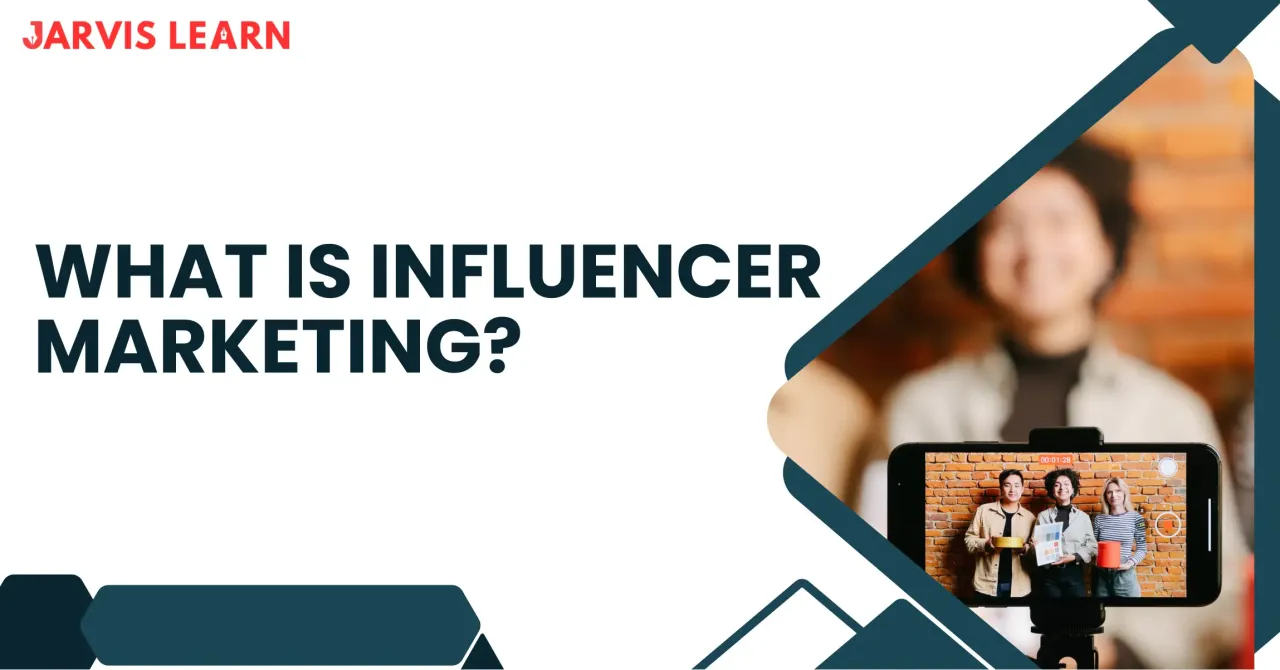
In today’s competitive digital world, getting true attention from an audience by creating a brand and building credibility and branding itself is a big challenge for businesses. Audiences and consumers are so aware that they have started to increasingly depend on true recommendations and proof before making a decision to even purchase a product or not. This means audiences are more aware of and confident in those influencers.
Influencer marketing will only grow exponentially in the upcoming years. According to research done by Junior Achievement, it was found that over 76% of US teenagers have a strong interest in becoming social media influencers. This major shift not only changed the marketing space but also the impact of influencer marketing. Now, companies have to adapt, connect with their audience, and strengthen their relationships to bring results in their marketing efforts.
Influencer marketing is a digital marketing strategy where brands approach individual creators and influencers who have an established social media presence and an active audience that they can target. These individuals are the ones who are called influencers; their credibility, self-branding, and expertise make their audience make their own purchase decisions, and also they can improve the brand’s awareness and even promote their products.
They collaborate with creators and attract customers, which turns into sales. For these kinds of marketing, there are influencer marketing agencies that work with brands, or sometimes the brand itself, to approach individual creators to run campaigns. Influencer marketing creates trust by giving unique content and personal experience with the brand they are working for.
There are 5 categories every influencer falls into; this is based on engagement rates, their potential reach, and followers. Companies choose their influencers to run campaigns based on these metrics. Here is the list that represents the influencer types.
Nano influencers have less engagement but a small number of followers. This tends to be people who follow them because they share their passion or are part of a local community or niche. Their followers are likely to trust what they recommend. If you want to create just an identity without spending much, this one will click right.
Micro influencers are a great middle ground. Many will be in a niche such as beauty, fitness, tech, and lifestyle. This means you can work with them to target a specific audience as per your needs. You can work with them to promote your product and drive sales. You can also keep your budget quite average.
These have more reach; however, they still have a niche audience. These can help to increase your brand further. You may be advised by your influencer marketing agency to use mid-tier influencers to get a good balance between reach, engagement, and budget. A great option for brands wanting something balanced and worth their money.
Macro influencers are considered by brands to run influencer campaigns when they want to launch a new product. They produce high-quality content to help push your brand to a much wider audience. They often have a lot of power and reach on social media.
Mega influencers usually consist of celebrities and famous people. They have a large audience, and working with them can create a lot of buzz. It can give your brand exposure to millions of potential customers. However, they will generally be more expensive to work with, and due to having a large following, they may not have high engagement.
To launch a successful influencer marketing campaign, you have to have a clear goal and budget, choose a channel, and have the ability to choose the right creator to work with.
Define the goals and budget clearly and make them the first priority before anything else. Every brand has its own specific goals, and you should have one too.
Be realistic and set a goal that is attainable, and always keep track of the progress. Keep an eye on engagement rate, impressions, and traffic to the website.
Ensure you are using the correct platform. The response of the audience will vary depending on which social media you're using. For example, if you're using Instagram, you'll want to create visual advertising. If you're using YouTube, you'd want long-form content, and on TikTok you'd want short-form content, etc.
Always be transparent with the influencer you're doing the campaign with, and make sure to keep following the guidelines for the platform the campaigns will be running on.
Choosing the right creator is another important step in the strategy; choosing someone relevant and reachable is important. Check their past promotions, the things they already worked on, and their reach and the ROI they potentially bring to the brand.
Use a platform or an agency to find the best creator to work with; a creator could have a million followers but bad average views and reach. Those creators are not worth working with, as it's going to drive negative impacts.
Do influencer outreach yourself and get in touch with them. While contacting them, be clear and transparent about why you want to work with them and why they are a good fit for the campaigns that you will be running. Mention something strong that they will have a reason to work with the brand.
If you’re running a bigger campaign, you may want to use an influencer agency or influencer management agency. They can help you do some great deals and communicate with the creator. Having clear agreements will help avoid any confusion.
Be open about deadlines and revisions to maintain transparency with the creator. Making sure the content does not lose quality is also important while working with creators. Tell them the scope of work, and clearly deliver what the deliverables are for that particular month or week.
Make sure your requirements are met and check the views and impressions once it's posted. Always keep the quality high and analyze the statistics behind that campaign. This will help you improve your future campaigns. This also helps you to make proper decisions and plan further on budget, time, targeted audience, and more.
Trust comes when the audience sees something that is proven to be legitimate. Seeing their favorite creator using a particular product that is closely related to the audience, they will gain trust in the idea that the product might be good without even ever touching the product. That's how trust builds over time in influencer marketing.
Reaching new audiences will increase your brand visibility among certain audiences and demographics; the more unique and wide the audience is, the more new audiences the brand gets. Even though the conversion rate might be low, there are some brands that want visibility in the beginning; they might get an advantage by using this influencer marketing strategy.
Finding your niche could be one of the toughest things and also the biggest benefit for the brand; before finding your niche, you may be promoting and running campaigns for the wrong audience.
This means you are literally spending money on people who have no need to look at or purchase from your brand. But finding your niche will create the complete opposite reaction and give you better results, and you can funnel your entire process without being confused about what niche you are in.
In the end, ROI is the one that is going to define the entire campaign; by choosing the right creator to work with and having the procedure planned and executed with precision, your ROI will always stay positive and lessen the chances of getting into break-even. This means delivering content that makes people trust will make them purchase the product that improves the ROI.
Visibility increases as a new audience starts to flood in; you will start to get more engagement, including likes, shares, and mentions. This will increase your visibility; once visibility increases, you might even get competition from other similar brands, which increases more engagement and wider visibility among the people.
The major challenge in influencer marketing is finding the correct creator to work with. Most of the time, brands fail to choose the right creator, and in turn, that costs them the entire influencer marketing budget they put on that one creator and their campaigns. The audience of that creator must be closely related to your brand, and if there is a huge gap in between, the brand faces backlash. Thus, choosing a creator actually needs some effort and investment, and other metrics like their engagement rate and average views should also align with your requirements.
Lack of transparency will affect trust; if the creator does not maintain transparency in the promotion, they will identify it immediately, and even an honest campaign will backfire on the brand. This is a negative outcome for the brand, and it may even cost them a lot of existing customers, and oftentimes the trust in the brand will also get broken.
Social media platforms change often; the algorithm changes, and the type of content that gets trendy keeps changing. Thus, brands should be aware and choose the creators who are sticking with the trends and are not truly outdated. This is one of the challenges both creators and brands face while working together, as it needs research and multiple tests; sticking to trends is not that easy for both parties.
Fake followers and fake engagement are still a thing; most of the time, some influencers will be involved in artificially boosting their follower count and views using bot farming or paid views. This will affect the entire algorithm, and the entire point of the campaign will be lost. To make sure they are not faking followers and engagement, you should do a good review and a background verification before starting to work with them.
Influencer marketing is one of the best ways to gain trust and visibility. If one campaign is run successfully and the right audience starts to flood in, the creator that you will be working with will also gain mutual trust in you, and the content will feel more natural than just a promotion.
It's a simple procedure of finding a creator, working with them, analyzing the ROI and results, and maintaining and reviewing the procedure for future campaigns. Influencer marketing still falls under social media marketing, and it may bring both positive and negative impacts on the brand.
1. What does an influencer marketer do?
An influencer marketer is a professional who uses social media to market products and services by working with digital influencers for marketing purposes.
2. How much does an influencer make?
It totally depends on the niche and the views; most of the time, the income is based on the average views and not followers or the highest views an influencer got on a social media platform. Thus, there is no ceiling for the revenue an influencer actually makes through brand promotions.
3. How effective is influencer marketing?
Influencer marketing is very effective, as it increases engagement rate, trust in the product or service of the brand, and visibility.
4. How to find the right creator for influencer marketing?
Find the creator who has an audience that prefers and consumes the niche that you are in. The audience's interests should align with your brand closely.
5. How to start influencer marketing?
To start influencer marketing, you have to find and identify the goals and set the audience you want to target and launch a campaign with a proper plan and evaluate the results after the campaign.

Wed, 04 November 2026
Tue, 03 November 2026
Mon, 02 November 2026
Fri, 30 October 2026
Thu, 29 October 2026
Wed, 28 October 2026
Fri, 23 October 2026
Wed, 19 August 2026
Thu, 27 August 2026


© 2026 JarvisLearn Inc. - All Rights Reserved.