7 Steps in Creating an Email Marketing Strategy
Fri, 20 November 2026
Inspirational journeys
Follow the stories of academics and their research expeditions
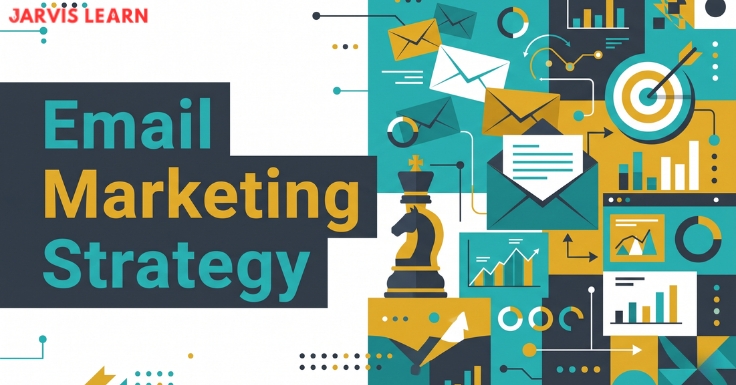
A good email marketing strategy isn't just sending promotional emails to the email list. It needs a well-defined approach that drives results. Delivering emails to reach the right audience and achieve measurable results is the core idea. Forbes says that over 58% of businesses include automation as part of their email marketing strategy. But how do you create one? And why does your business need an email marketing strategy? Creating a good email marketing strategy requires careful planning and consistent optimization of the workflow. Let's explore email marketing best practices for your business that support growth.
An email marketing strategy is a structured marketing plan that defines the purpose of your email, what business goals it's going to achieve, and how email campaigns and marketing automation will bring value to the business. A business can send random emails that could be promotional or transactional mail to their audience without a structured plan, but having an efficient strategy that is backed by much testing is going to give actual results.
Email marketing is highly cost-efficient, which delivers a lot of returns. In email marketing, usually for every dollar spent, the business makes around $36 to $40 in returns, making email marketing known for its higher ROIs.
When it comes to social media or other platforms, the business will not have control over who they reach. But a marketing strategy will determine how many contacts to target and who to reach out to with emails for marketing purposes.
People who give their email and subscribe are more likely to convert into sales; based on their behavior and targeting them with personalized offers, an email marketing strategy will always help out.
Segmenting customers in email marketing means that you are able to identify your target market. By looking at the segments, you can understand much more easily what your customers like, and you know their past behaviors and interests.
Automating the emails will create a good workflow, like automating welcome emails, renewals, and abandoned cart reminder emails, which will nurture the leads. These kinds of emails will drive repeated sales continuously.
Having an email marketing strategy will help the business monitor metrics like open rate, CTRs, and conversions. This is done to make sure the goals are met and to change what works better for the business.
Decide on your goals for running an email marketing campaign. This will be done to generate leads, drive traffic to a web page, promote products, improve customer retention, or increase sales.
Once you know what objective you want to reach, you will know what emails to create, who to send them to, and what you want to measure. Ensure that these email marketing goals are very specific, can be measured, and match your overall business goals.
Finding and understanding your target audience will help you frame emails that directly relate to the audience that you want to connect with. Identify the audience by analyzing the existing customers and their past purchasing behavior. Then figure out their demographics and preferences when it comes to the product or service.
This information creates audience segments, which helps the business to deliver relevant content. For the marketers, it's easier to personalize the emails for the targeted audience.
Choosing an email marketing platform is going to make the entire process much better and easier. The right email marketing platform will help you create, manage, and maintain automated email marketing campaigns. But choosing the platform is not that easy.
It depends on your budget, subscribers, and goals. Also, while choosing it, businesses should look for features in email marketing automation, segmentation, and customizable templates. Compare and do thorough research before locking onto one email marketing platform.
After the target audience is found and the audience is segmented, the next step is to build an email list. The traffic that you drive into your website is the visitor that could be your potential customers.
You have to encourage the visitors to subscribe through the sign-up forms and landing pages and build a quality email list. Once your email list grows, you can start engaging with the audience and deliver relevant messages that help the business reach its goals.
Plan accordingly and be consistent in creating relevant content and schedule it as per the strategy. Decide what kind of emails you want to send; it can be promotional emails or newsletters.
You can even send welcome emails, announcements regarding products, and follow-up messages. Always stick to your calendar and ensure you stick with the plan.
Optimizing the email campaigns is important, as it's going to capture the user's attention first. Use compelling subject lines that drive the user to open the email. Make sure it's readable and structured properly.
Always test the email across different devices to identify any issues and fix them immediately. Every layout, design, and timing of the email delivery matters, and always do what works well with your audience.
After delivering the campaigns, you have to monitor the performance, check its metrics, and make sure the desired results are being achieved. Track open rates, CTRs, bounce rates, and unsubscribe rates.
Use these metrics to analyze and change the email delivery frequency and content, or anything else that needs to change, for better results.
Permission-based marketing is a marketing strategy that runs mostly on emails, where the business will get explicit consent from people before sending promotional messages or collecting their info for marketing purposes.
Drip campaign marketing is a marketing strategy where the messages aren't sent all at once but are sent to customers over a period of time, with a frequency according to their business. These drip email campaigns are done in such a way as to gradually nurture leads and build trust and relationships with customers while guiding the prospects through a sales funnel. Businesses sending drip mail is one of the most effective email marketing strategies most businesses utilize.
Acquiring a clean email list is tough; subscribers who take effort are pretty rare if the email list has multiple inactive subscribers or invalid addresses. If a business fails to segment the customers properly, it's going to be ineffective, and it will hurt engagement with the customers and the business.
Sometimes, emails will land in the spam section due to missing authentication. This will directly affect the reputation of the business. This usually happens because of weak sender reputation and spam trigger words or even hosting/SMTP sending limits.
Businesses that have lean budgets and small teams will eventually find it harder to adapt and automate emails. Email marketing automation will always need some investment, and businesses that cannot afford it will lack an efficient strategy.
An effective email marketing strategy is crucial for a business that is heavily invested in email marketing. There are several stages a business should get past and work through to make sure the email marketing strategy is effective. These 7 steps are the core steps any business should follow before framing its email marketing strategy. The better the business works on refining the strategy, the better it gets adapted to the email marketing workflow.
Email marketing is a marketing strategy where businesses engage with customers through emails by promoting products or services through emails.
An email marketing strategy is focused on optimizing email campaigns, building an email list, and targeting them for personalized emails to promote the products or services of a business.
An email marketing strategy should be reviewed after a few months of testing and monitoring performance before making any real changes to the strategy.
An email marketing strategy is highly effective and drives higher ROI for the business. It's known that email marketing drives $36 to $40 in returns for every dollar spent.
A business should evaluate how effective the strategy is, how many industries currently use it, and how much a business can scale by using that marketing strategy.

Fri, 20 November 2026
Thu, 19 November 2026
Tue, 17 November 2026
Thu, 12 November 2026
Tue, 10 November 2026
Fri, 06 November 2026

Thu, 05 November 2026

Wed, 04 November 2026
Tue, 03 November 2026

Mon, 02 November 2026


© 2026 JarvisLearn Inc. - All Rights Reserved.